The problem with being too product-focused
The original social media content was too heavily focused on selling the magazine. It told people what the product was, but it did not give them enough reason to stop, engage or become part of the conversation. As a result, there was limited interest from the magazine's core audience.
Growing the account mattered because Dispatches needed a presence that extended beyond print. A strong and active online community would give the brand greater reach, reinforce its credibility and support its position as one of the UK's leading magazines for the living-history hobby.
Understanding the audience
The intended audience included historians, reenactors, living-history enthusiasts, event organisers, museums, traders and people with a broader interest in history.
Working with DM Media Group, the Dispatches team studied which subjects and formats attracted genuine attention. The team built on ideas that had previously worked well, tested different approaches and used the results to shape future content.
Not every new follower matched the magazine's original idea of its core reader. That proved to be an opportunity rather than a problem. The content reached new demographics with an interest in history, and some of those people went on to become readers and customers.
Creating content people wanted to see
DM Media Group and the Dispatches Magazine team worked together to plan, produce, edit and publish the content.
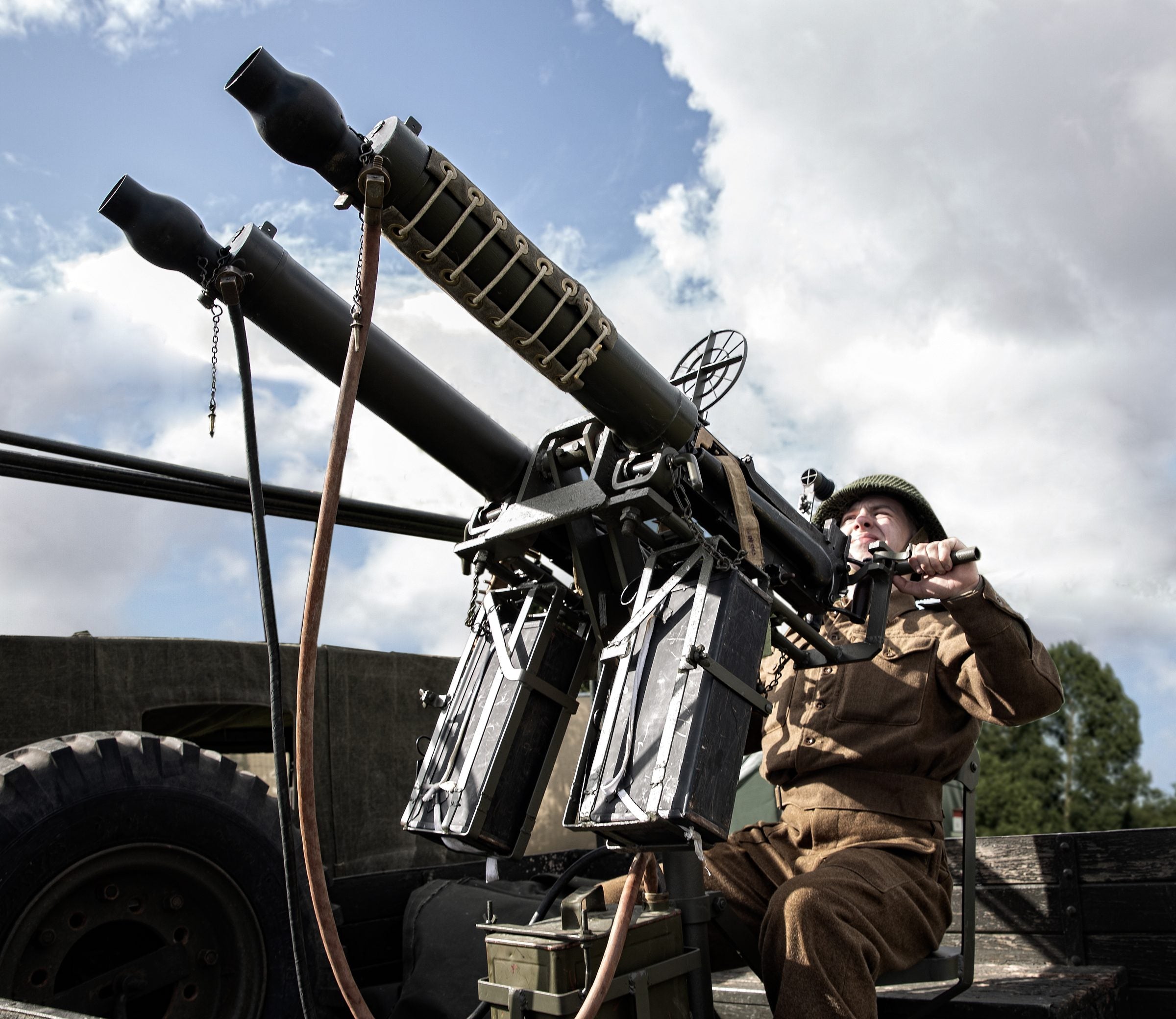
Approximately 75% of the material came from events and original Dispatches reporting. Access to real stories, knowledgeable people and genuine locations was central to the strategy.
Because Dispatches and DM Media Group were already established within the community, the teams could attend events across the country and create material from inside the hobby rather than commenting on it from a distance.
A professional media team captured content at events, with photographs, interviews and videos typically edited and published within one to three days. Where possible, content was released while an event was still taking place. This helped the coverage feel immediate and gave audiences a reason to follow what was happening.
The aim was simple: create content that people would stop for, not scroll past.
More than social media management
The Dispatches strategy, combined with the experience gained through the Overlord Show partnership, now shapes the support DM Media Group offers event organisers. Depending on the needs of an event, the team can manage:
- Social media planning and content
- Photography and video
- On-site media production
- Editing and publishing
- Copywriting
- Community management
- Graphic design
- Event programmes and other print
- Banners and advertising
- Magazine promotion
- Radio advertising
Services can be offered through fixed packages or a tailored quotation. The objective is to bring the different parts of an event's campaign together rather than leaving the organiser to coordinate several unrelated suppliers.
Setting realistic expectations
Marketing is not a quick fix, and follower growth cannot be guaranteed.
Building a worthwhile audience takes time, consistency and a clear understanding of what people want to see. The longer a good strategy is allowed to develop, the more opportunities there are to learn from the audience, improve the content and build lasting results.
Success should not be judged on follower numbers alone. DM Media Group can also measure reach, engagement, video views, link clicks, website traffic, enquiries and, where suitable tracking is available, ticket sales.
Why event organisers cannot ignore social media
People now discover events, make plans and share recommendations online. Without a visible and active online presence, an event risks being overlooked.
Traditional advertising continues to be valuable, and DM Media Group recommends using it where it suits the audience. The strongest campaigns often combine trusted print advertising with a healthy and consistent digital presence.
For Dispatches Magazine, growing an engaged specialist community has been enormously valuable. It has increased the reach of the brand, supported the continued production of original content and helped the team make the magazine better.
The lesson is not simply that Dispatches gained more followers. It is that knowing the community, producing content in-house and understanding what makes people stop and engage can turn a social media account into a valuable part of the business.